As the back-to-school season begins, traffic in Hobbs, NM shifts quickly. Roads that seemed relaxed during summer become filled with buses, young walkers, cyclists, and busier morning commutes. These changes make it especially important for drivers and families to take extra precautions. Even small adjustments in awareness can help keep everyone safer on the road.
The start of a new school year brings noticeable increases in activity across neighborhoods, major roads, and school zones. Children travel in many different ways—walking, biking, riding the bus, or driving themselves for the first time. With so many moving parts, staying alert becomes essential for protecting students and easing the transition into a new routine.
Why Back-to-School Season Demands More Caution
Once classes resume, traffic patterns grow more complicated. Areas that were calm during summer quickly fill with children walking to school, buses completing their routes, and more vehicles crowding intersections. This combination naturally raises the risk of congestion and accidents, especially during morning drop-off and afternoon pick-up times.
Drivers may face sudden stops near school zones, pedestrians stepping into crosswalks without warning, or busy intersections that require slower speeds. Young children often lack the experience and judgment needed to navigate traffic safely, making them more vulnerable to sudden dangers. Recognizing these seasonal patterns helps everyone respond more responsibly behind the wheel.
Understanding How to Safely Share the Road With School Buses
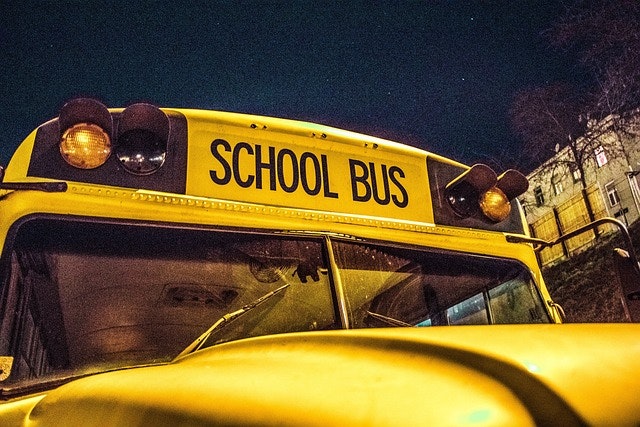
School buses are an essential form of transportation for many families, but they also require drivers to be particularly attentive. Following too closely behind a bus can increase the chances of an incident, especially since the 10-foot area around the front and back of a bus is considered the highest-risk zone for children entering or exiting.
Giving buses plenty of space allows for safer stops and better reaction time. Children might cross unexpectedly or come from an obstructed view, so patience and focus matter. When a bus flashes its warning lights or extends the stop arm, slowing down and preparing to stop is one of the most effective ways drivers can prevent harm.
Sharing the Road With Walkers and Cyclists
As school starts, more students choose to walk or bike, making it crucial for drivers to stay alert. Yielding to pedestrians—especially at marked crossings—is a fundamental rule that protects students who may not always be visible from every angle. Never pass a car that has stopped for someone in a crosswalk.
Young cyclists can also behave unpredictably. Some may dart out from behind parked cars or roll quickly through driveways. Staying cautious in neighborhoods, school zones, and residential streets helps minimize risks in these common situations.
Even everyday actions, such as opening a car door, can create hazards. Checking mirrors and looking over your shoulder for oncoming cyclists before exiting is a simple step that can prevent serious accidents. When everyone pays attention to these small habits, road safety improves significantly.
Creating Safer Drop-Off and Pick-Up Routines
School drop-off areas are often crowded, fast-moving, and sometimes disorganized. Following the procedures set by each school helps reduce confusion and lowers the risk of accidents. These systems are designed to keep traffic moving efficiently while protecting children walking in or out of the building.
Sticking to the same patterns each day helps drivers anticipate the behavior of others. Avoid stopping in places not designated for drop-off or creating bottlenecks by parking incorrectly. These decisions add to congestion and can quickly create unsafe conditions.
Parents and caregivers play a major role in keeping these zones safe. Taking a few extra minutes to follow proper guidelines helps protect not just your own child, but every student in the area.
Teaching Kids How to Stay Safe Near Roads
While drivers hold much of the responsibility, children also benefit from learning good safety habits. Younger students—especially those under age 10—should always have adult supervision when near roads. They absorb guidance best through repetition and consistent reminders.
Basic rules like stopping, looking both ways, and listening for traffic before crossing can make a long-term difference. Encouraging the use of crosswalks also increases visibility and reinforces safe behavior.
For kids who ride bikes or scooters, protective gear is essential. Helmets, knee pads, and elbow pads reduce injury risks, and limiting distractions, such as mobile devices, helps them remain aware of their surroundings.
Teaching these habits early builds a strong foundation for responsible behavior as they grow older and begin navigating roads more independently.
How Everyone Can Support Safer Roads
Road safety during the back-to-school season is a shared effort between drivers, families, and students. Following traffic laws, staying patient, and remaining aware of others on the road can significantly lower accident risks. Even small steps—like slowing down in school zones or double-checking for pedestrians—make a meaningful impact.
As traffic increases and routines shift, staying proactive helps prevent avoidable dangers. Consistency and awareness are key to keeping the community safe during this busy time of year.
Preparing for a Safe School Year
With mindful habits and thoughtful decisions, the transition back to school can be safer for everyone. Understanding seasonal risks and adjusting driving behaviors help families and drivers navigate this period with fewer concerns.
If you have questions about road safety, liability, or how to better protect your household or business, Anchondo’s Insurance is here to help. As an independent insurance agency in Hobbs, NM, we offer guidance and insurance solutions—from auto insurance in Hobbs, NM to homeowners, business, trucking, and life coverage—to keep you prepared. Reach out for personalized insurance quotes in Hobbs, NM and let our team support you throughout the school year.