
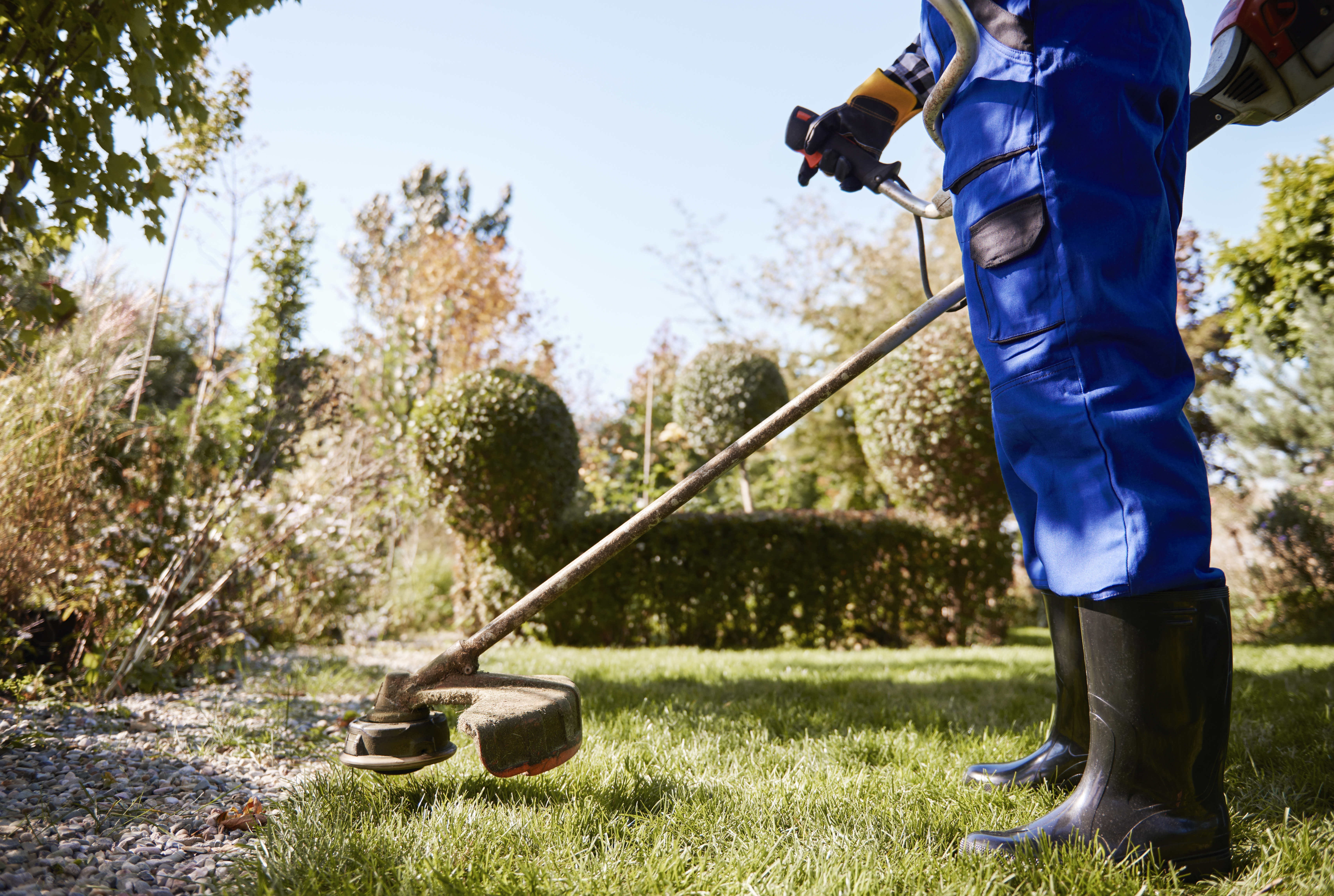
As spring arrives, many businesses gear up for outdoor tasks, property refreshes, and seasonal maintenance. Warmer weather makes it a great time to tackle exterior projects, but it also brings a handful of hazards that can lead to slips, trips, injuries, or even insurance claims if they aren't addressed early. A little preparation now can help ensure your property, equipment, and team are ready for a safe and productive season.
Below are practical, easy-to-follow safety tips to help you minimize risks and keep your operations running smoothly this spring.
Inspect Your Outdoor Areas for Winter Damage
Winter weather can take a toll on sidewalks, stairs, parking lots, and other high-traffic areas around your property. Cracks, uneven pavement, loose steps, or small potholes often appear after months of cold, wet conditions—and these hazards can remain unnoticed until someone gets hurt.
Take time to walk your entire property and look closely at surfaces your employees or customers use regularly. If you spot damaged concrete, wobbly railings, or places where ice and snow may have caused shifting, make a plan to repair them. Consider patching uneven areas, re-striping steps, or applying non-slip materials where footing may be uncertain. These small preventative steps can be the key to avoiding costly incidents later.
Remove Clutter from Outdoor Spaces
Outdoor workspaces can slowly accumulate items over time—extension cords, hoses, cones, bins, and leftover supplies from prior projects. While easy to overlook, these objects can easily become tripping hazards if left in walkways and work areas.
A quick decluttering session can make a big difference. Gather loose tools, roll or hang stray hoses, remove unnecessary items from walk paths, and store materials in their designated locations. Keeping outdoor areas tidy not only reduces the chance of injuries but also helps workers move more efficiently.
Examine Tools and Equipment Before Getting Started
As outdoor tasks pick up again, you’ll likely bring out equipment that hasn’t been used since fall or early winter. Tools like lawn mowers, trimmers, leaf blowers, and pressure washers should be inspected before they’re put back into rotation.
Check for frayed cords, loose guards, worn components, and malfunctioning switches. Replace or repair anything that appears damaged or unreliable. Regular equipment checks not only protect your team but also help ensure your tools run smoothly throughout the season.
Review Ladder Safety for Spring Projects
Outdoor work often includes tasks that require workers to reach higher areas—changing exterior signage, trimming branches, or cleaning windows. Ladders are helpful tools, but they can also be dangerous if used incorrectly.
Make sure your ladders are sturdy and placed on level surfaces before anyone climbs. Remind team members to avoid overreaching and to always maintain stable footing. A quick refresher on proper ladder use can prevent serious falls and injuries.
Reduce Strain and Overexertion
Spring workloads can be physically demanding, especially as workers move heavy materials, perform repetitive tasks, or ease back into more active routines. Overexertion is one of the most common causes of workplace injuries.
Encourage employees to lift with their legs rather than their backs, avoid twisting when carrying weight, and ask for assistance with heavier items. Reinforcing these techniques can help prevent muscle strains and long-term injuries.
Refresh and Restock Safety Gear
Outdoor tasks can expose your team to flying debris, sharp objects, branches, and other hazards. Having the proper safety gear is essential for protection and productivity.
Ensure workers have durable gloves, slip-resistant footwear, protective eyewear, and brightly colored clothing if they are working near traffic. On sunny days, sunglasses can help reduce glare and eye strain. Updating and replacing worn-out gear demonstrates a commitment to safety and supports your team’s well-being.
Prepare for Sun, Heat, and Insects
Along with warmer days come sun exposure, rising temperatures, and seasonal insects. These environmental factors can lead to dehydration, heat-related illnesses, or skin irritation if workers aren’t properly protected.
Encourage your team to stay hydrated, apply sunscreen, take breaks in shaded areas, and use insect repellents as needed. Wearing hats, lightweight long sleeves, and protective clothing can also reduce risks when working in sunny or overgrown areas. Being proactive helps your workforce stay comfortable and healthy throughout the season.
Check Emergency Supplies and Review Safety Plans
Spring is an excellent time to review your business’s emergency protocols and make sure all safety equipment is working as it should. Having reliable resources during an emergency can greatly reduce potential harm.
Test smoke detectors, verify that fire extinguishers are fully charged, and restock first-aid kits. Consider taking a few minutes to review emergency procedures with your staff so they’re familiar with evacuation routes, reporting processes, and communication plans. Preparedness is one of the simplest ways to keep people safe.
Reevaluate Your Insurance Protection
No matter how diligent you are with safety, unexpected accidents can still occur. A strong commercial insurance policy is a critical safeguard for your business. Coverages such as general liability and workers’ compensation can provide essential protection when things don’t go as planned.
If you haven’t reviewed your insurance coverage recently, spring is a great time to do so. As outdoor projects ramp up, it’s important to confirm that your policies are aligned with your needs and offer the right level of protection.
If you’d like help reviewing your current commercial insurance, give us a call. We can make sure your business is well-prepared for everything this spring season may bring.